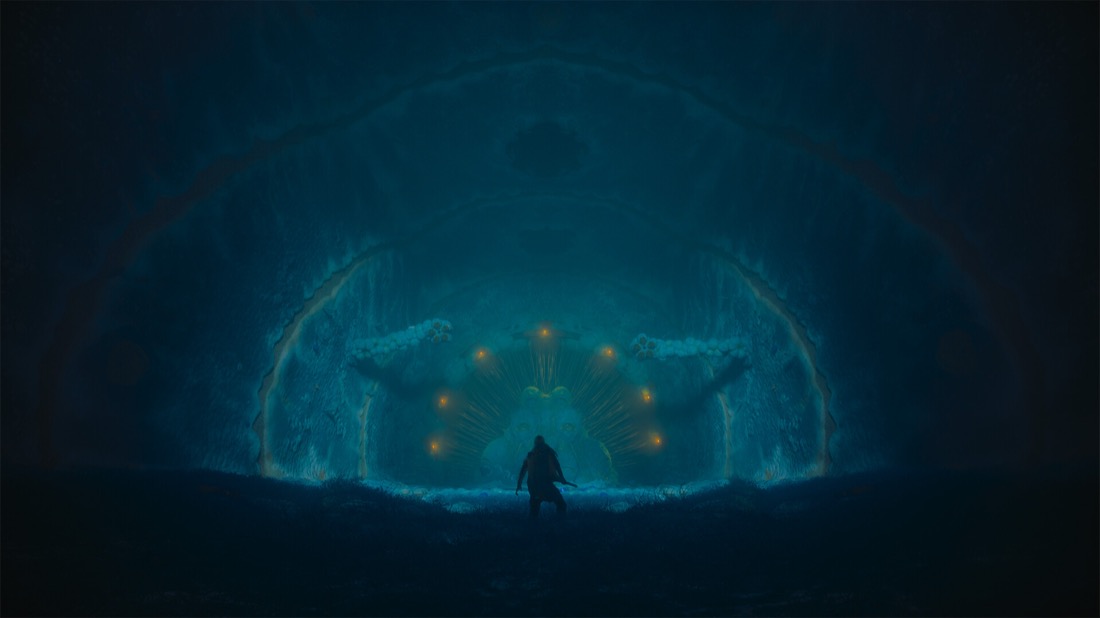
The Blood of Dawnwalker: Everything We Know
Release date, story, the 30-day time system, combat, skill trees, editions and DLC plans — a complete pre-launch overview of Rebel Wolves' vampire RPG.
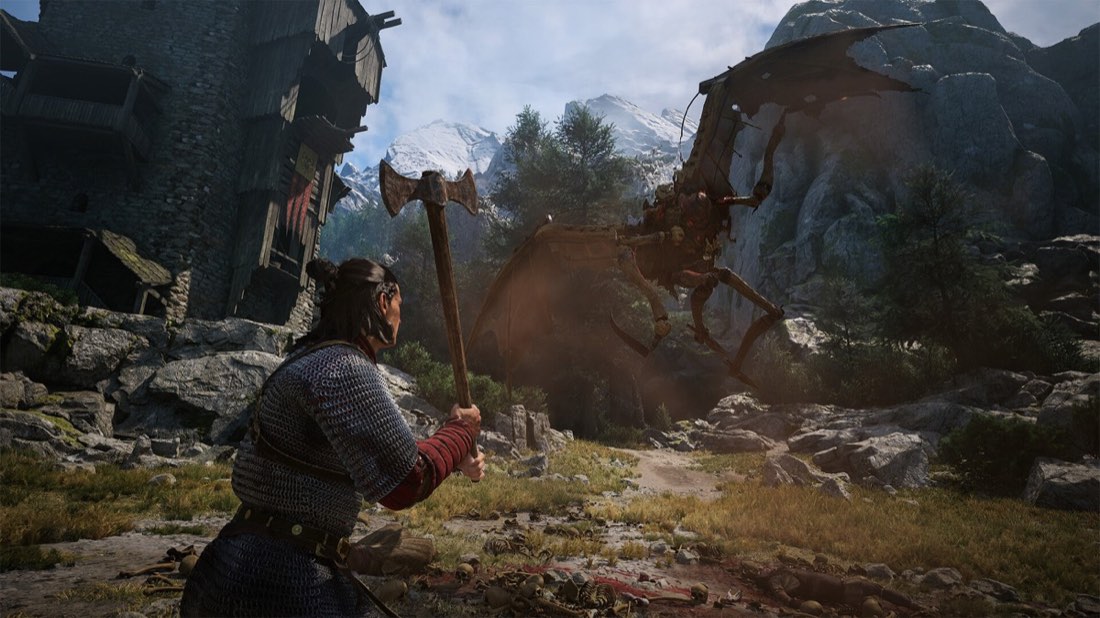
Image: Rebel Wolves / Bandai Namco Entertainment
The Blood of Dawnwalker is the most anticipated RPG of fall 2026 for a simple reason: it’s the first game from Rebel Wolves, the Warsaw studio founded by the people who directed and wrote The Witcher 3. It launches September 3, 2026 on PC, PS5 and Xbox Series X|S, it crossed 2 million wishlists in July, and preview coverage after a six-hour hands-on event was strikingly positive.
Here’s the complete picture of what this game actually is.
The premise: 30 days to save your family
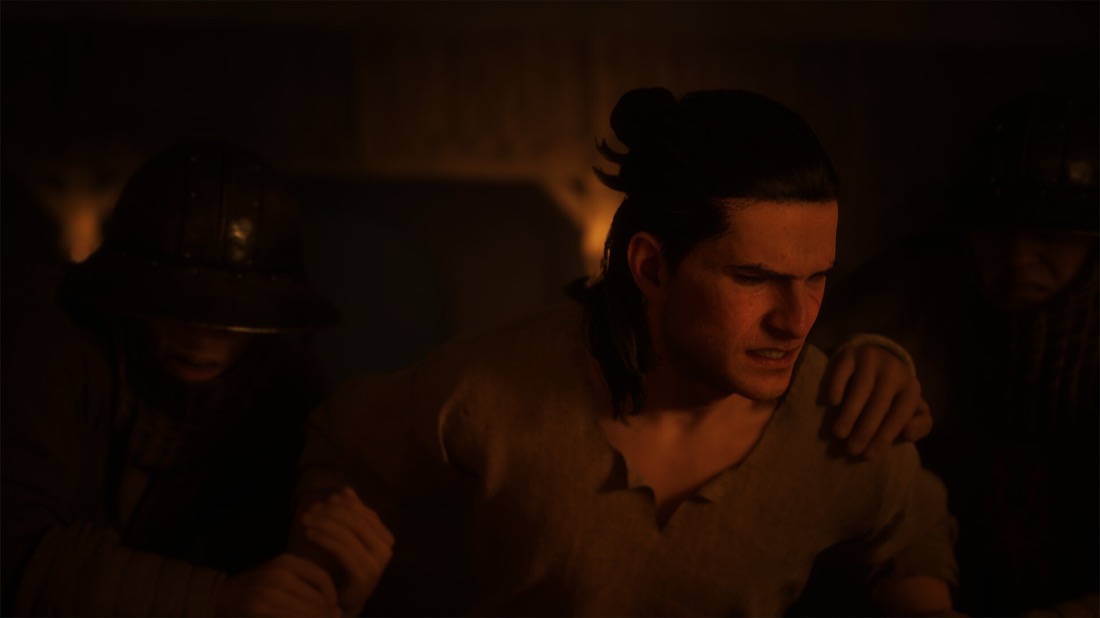
You play Coen, a peasant-born young man in Vale Sangora, a fictional kingdom deep in the Carpathian Mountains in an alternate AD 1347, where the Black Death rages and vampires have stepped out of the shadows to rule openly. Coen is turned into a Dawnwalker — half human, half vampire — and given a deadline: 30 in-game days to save his family from Brencis, the thousand-year-old vampire lord who took them.
The official tagline question: “Is your soul worth the lives of those you love?”
Human by day, vampire by night
The core design is two gameplay loops in one character:
- By day, Coen fights as a human — directional sword combat and witch magic.
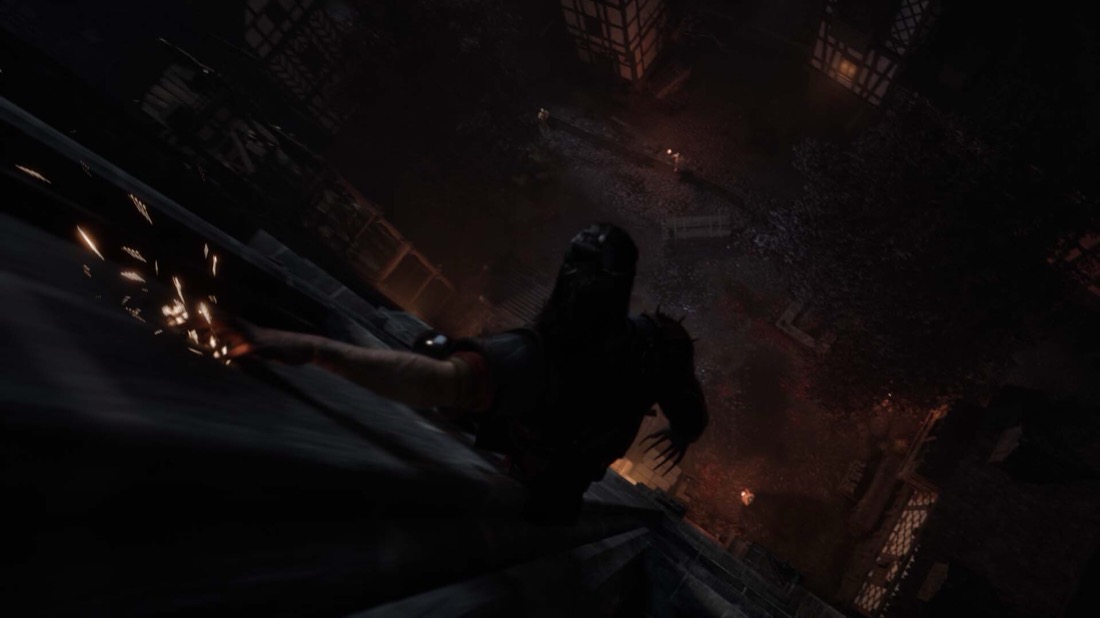
- By night, he becomes a vampire — wall-climbing traversal, claws, feeding on the living, stealth, and powers like the teleporting Shadowstep.
Each form has strengths and weaknesses, and quests can play out differently depending on when — and as what — you approach them.
Progression runs through three skill trees — Swordmastery, Witchcraft and Vampirism — each capped with an Ultimate Perk, with a level cap of 50 and an Infamy reputation system layered on top.
Time is a resource, not a doom clock
The 30-day limit is the game’s boldest mechanic, and the detail that separates it from a stress simulator: only clearly telegraphed actions consume time. Taking on quests, investigating leads, helping villagers — these tick the clock, marked with hourglass icons, with each day and night split into 8 time units. Free exploration and roaming cost nothing.
There’s deliberately more content than the clock allows — “You will not have time for everyone,” the official copy warns — which is the point: the game is a “narrative sandbox” built for choices and repeat playthroughs. Director Konrad Tomaszkiewicz has been explicit that the timer won’t punish players: “You’ll be able to complete a majority of the game before the time runs out.”
For a deeper breakdown, see our time system explainer.
Combat: directional parries, readable duels
Incoming attacks display direction icons; you block passively (costs stamina) or parry by matching the direction (costs nothing), and chaining perfect blocks is rewarded. An optional omnidirectional block mode removes the directional requirement at higher stamina cost — a genuine accessibility choice rather than a difficulty toggle. Four difficulty levels are confirmed, with granular tuning layered on top.
The villains: four ancient vampires
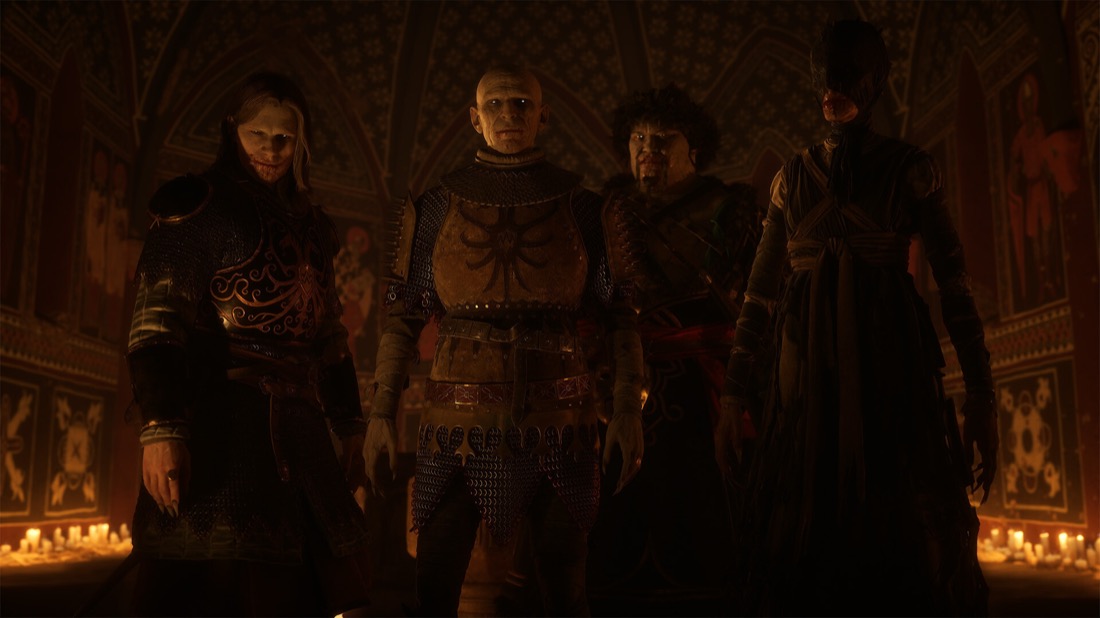
Vale Sangora is ruled by the Vrakhiri, four ancient vampires, each controlling territory: Brencis, the Roman-born politician-turned-lord and main antagonist; Xanthe, the oldest, a former Greek priestess with an inhuman appearance; Bakir, a bloodthirsty warrior whose motion capture was performed by former UFC champion Jan Błachowicz; and Ambrus, the youngest, who runs the valley’s blood trade.
How long, how much, what editions
- Length: internal playthroughs ran 50–70 hours; the creative director cites ~50 hours average.
- Price: $69.99 standard; a $79.99 digital Eclipse Edition and a $199.99 Collector’s Edition exist — see our editions breakdown.
- DLC: no season pass. The studio plans smaller, free add-ons in the Witcher 3 tradition.
- Not on Game Pass or PS Plus; single-player only; no Denuvo on PC.
Why previews have people excited
After 4–6 hour hands-on sessions in July, coverage was, in aggregate, exceptionally positive — Newsweek’s headline was “six hours wasn’t nearly enough,” and Witcher 3 comparisons plus early game-of-the-year talk ran through the preview wave. The game went gold on July 15, seven weeks early.
One preview anecdote says a lot about the design philosophy: a playtester managed to defeat the prologue boss duel that’s meant to be unwinnable. The result? “The credits rolled.” The game accounts for it with an early ending.
The road to launch
The game is playable at gamescom 2026 (August 26–30), and an ~6-minute features trailer landed on August 13. Between now and September 3, expect unlock times, preload details and reviews. We’ll be covering all of it — our release date & times page is updated as details land.
Frequently asked questions
What is The Blood of Dawnwalker?
An open-world dark fantasy action RPG set in an alternate 14th-century Europe. You play Coen — human by day, vampire by night — with 30 in-game days to save his family from the vampire lord Brencis.
Who is making The Blood of Dawnwalker?
Rebel Wolves, a Warsaw studio of around 160 people founded by veterans of The Witcher 3 and Cyberpunk 2077, led by Witcher 3 director Konrad Tomaszkiewicz. Bandai Namco publishes.
Is The Blood of Dawnwalker like The Witcher?
The comparison is unavoidable: much of the leadership built The Witcher 3, hands-on previews describe Witcher 3-caliber writing ambitions, and the studio has committed to a Witcher 3-style free-DLC model.
How big is The Blood of Dawnwalker?
Internal playthroughs ran 50–70 hours, with the creative director citing around 50 hours on average to finish.